Choosing the Right Pasta for Easy Meals
The shape of your pasta isn't just about looks—it affects how well the sauce clings and how the dish feels in your mouth. Thin, delicate shapes like spaghetti or linguine are perfect for light, oil-based sauces or simple tomato sauces. On the other hand, sturdy shapes like rigatoni or penne are designed to hold thick, chunky sauces, making them great for hearty weeknight meals.
For quick cooking, smaller shapes like elbow macaroni or shells cook faster than large, thick shapes like lasagna noodles. If you're in a hurry, check the package for suggested cooking times and aim for al dente—firm to the bite—for the best texture.
Sources: Regina, Express (UK)
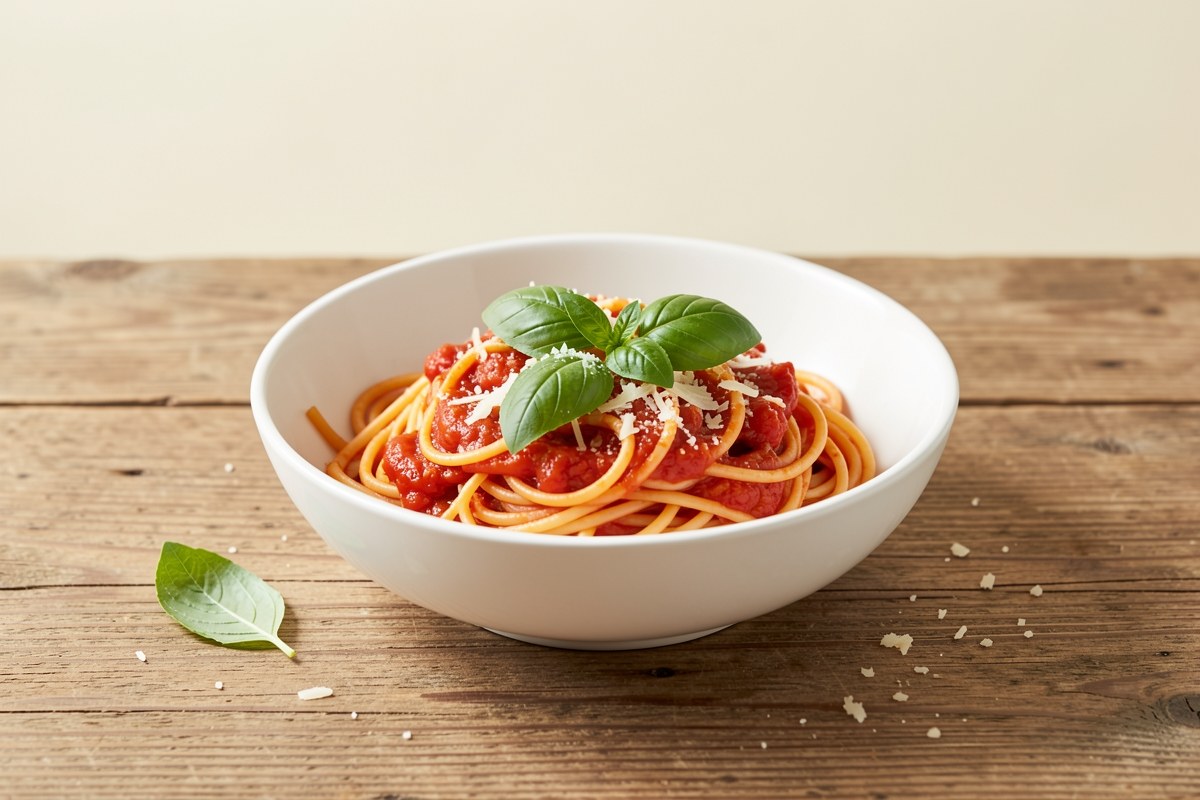
Pantry Pasta: Simple Meals from Staple Ingredients
Some of the easiest pasta meals come together with ingredients you likely already have in your pantry: a box of pasta, canned tomatoes, olive oil, garlic, and dried herbs. With these basics, you can create a satisfying dish in the time it takes to boil water.
Here is a flexible formula for a quick tomato sauce: sauté garlic in olive oil, add a can of crushed tomatoes, season with oregano or basil, and simmer while the pasta cooks. Toss the drained pasta with the sauce, and if you have Parmesan on hand, that's a bonus. Add a pinch of red pepper flakes for heat or a splash of balsamic vinegar for depth.
- Keep a few cans of diced or crushed tomatoes on hand.
- Olive oil, garlic, and dried herbs are your flavor base.
- Parmesan or Pecorino cheese can be stored in the fridge for weeks.
- A splash of reserved pasta water helps the sauce come together and cling to the noodles.
One-Pot and One-Skillet Pasta Dinners
Cut down on dishes and cooking time by making a one-pot pasta meal. In a large pot or deep skillet, you can cook the pasta directly in a small amount of broth or water along with your chosen vegetables and protein. As the pasta cooks, it absorbs liquid and releases starch, which helps create a silky sauce without extra steps.
Try this approach: sauté onions and bell peppers in olive oil, then add pasta, broth, and a can of diced tomatoes. Simmer until the pasta is tender, stirring occasionally. Finish with a handful of spinach or fresh herbs. This method works well with short shapes like rotini or farfalle, which cook evenly in a shallow pan.
- Use a wide pan so liquid evaporates and the sauce thickens.
- Stir occasionally to prevent sticking; the starch from the pasta helps create a cohesive sauce.
- If the liquid runs dry before the pasta is done, add a splash of water or broth.
Fresh Vegetable Pasta Dishes for Summer
Summer brings a bounty of fresh vegetables that shine in light pasta dishes. Take advantage of ripe tomatoes, zucchini, bell peppers, and fresh herbs. A simple pasta with fresh vegetables often uses a light olive oil or lemon-based dressing, letting the produce be the star.
For a quick summer pasta, cook your chosen vegetable in a hot skillet with olive oil until just tender—think sliced zucchini, cherry tomatoes, or corn. Toss with cooked pasta, a squeeze of lemon, fresh basil, and a drizzle of good olive oil. Add a protein like grilled chicken or white beans for a more filling meal.
- Use quick-cooking vegetables: cherry tomatoes, zucchini, bell peppers, or asparagus.
- Sauté vegetables in olive oil until crisp-tender to preserve their texture.
- Add fresh herbs like basil or parsley after cooking to keep them vibrant.
- A squeeze of lemon brightens the dish and reduces the need for heavy sauce.
Creamy Pasta Without Heavy Cream: Healthy Swaps
Craving a creamy pasta but want to avoid heavy cream? There are several swaps that deliver a silky texture with less fat. One popular technique is using a bit of the starchy pasta water whisked with a small amount of butter or olive oil, which creates an emulsion that coats the pasta beautifully.
Another option is to blend cooked cauliflower or white beans with some broth and a little Parmesan to create a creamy sauce. You can also finish a dish with a dollop of Greek yogurt or crème fraîche for tang and creaminess. These lighter versions let you enjoy classic comfort dishes with a healthier twist.
- Pasta water: reserve a cup before draining; whisk with a little fat to make a sauce that clings.
- Cauliflower or white bean purée adds creaminess and fiber.
- Greek yogurt gives a tangy richness when stirred in at the end.
- Parmesan cheese adds savory depth and helps thicken naturally.
Common Pasta Mistakes and How to Avoid Them
Even experienced cooks can fall into these traps when making pasta, but most are easy to fix. One common mistake is adding oil to the cooking water, thinking it will prevent sticking. In reality, oil coats the pasta and makes it harder for sauces to cling, so you end up with a slippery, less flavorful dish.
Another frequent slip is rinsing cooked pasta under cold water. That washing strips away the starch that helps sauces adhere and cools the pasta down. Unless you're making a cold pasta salad, skip the rinse and drain well. Overcooking pasta is another common issue—boiling it beyond al dente makes it mushy. Using too little water can also lead to sticky, unevenly cooked pasta. Use a large pot with plenty of water so the pasta has room to move.
- Don't add oil to the pasta water—it prevents sauce from clinging.
- Don't rinse cooked pasta (unless for a cold salad).
- Cook to al dente, following the package timing as a guide.
- Use a generous amount of water—about 4 to 6 quarts per pound of pasta.
- Reserve a cup of pasta water before draining to adjust sauce consistency.
Sources: DeNicola's Italian Restaurant, Regina, Express (UK)
Frequently asked questions
What pasta shapes are best for quick cooking?
Smaller and thinner shapes generally cook faster. Elbow macaroni, shells, or thin spaghetti are good choices when you're in a hurry. Check the package for recommended cooking time and aim for al dente, which gives the best texture.
Sources: ReginaCan I make pasta dishes ahead of time?
Yes, but the texture will change. A common method is to cook the pasta just shy of al dente, drain, toss with a little oil to prevent sticking, and refrigerate. When ready to serve, reheat in a skillet with a splash of water or broth and finish with your sauce. For baked pasta dishes like lasagna, you can assemble and refrigerate before baking.
How do I prevent pasta from sticking together?
The key is to use plenty of water—about 4 to 6 quarts per pound of pasta—and to stir occasionally during the first minute of cooking. Avoid adding oil because it makes pasta slippery and prevents sauces from clinging. After draining, toss with sauce immediately, or if not saucing right away, a light coat of olive oil can help.
Sources: DeNicola's Italian Restaurant, ReginaWhat are some vegetarian protein options to add to pasta?
Many plant-based proteins work well in pasta dishes. Chickpeas and white beans are hearty and take on sauce flavors. Lentils can be simmered into a sauce. Tofu or tempeh can be crumbled and browned for a meaty texture. Dairy options like ricotta or feta also add protein. Pair with a side salad with nuts or seeds for extra protein.
How do I make a quick pasta sauce from scratch?
A quick tomato sauce is easy: sauté minced garlic in olive oil for a minute, then add a can of crushed tomatoes. Season with dried oregano, salt, and pepper. Let it simmer while pasta cooks, about 10 minutes. For a creamy version without heavy cream, stir in a spoonful of Greek yogurt or a pat of butter at the end.
Sources: DeNicola's Italian RestaurantSources
- 6 Cooking Pasta Mistakes and How to Avoid Them — DeNicola's Italian Restaurant
- Eight Common Pasta Cooking Mistakes and How to Avoid Them - Regina — Regina
- Pasta will be 'ruined' if you do 1 common thing when boiling it in hot water — Express (UK)