Why These Family-Friendly Meals Work
Cooking for a family means balancing nutrition, taste, and time. The United States Department of Agriculture (USDA) recommends making at least half of your grains whole grains because they provide more fiber to help keep your body regular. Whole grains, along with vegetables, fruits, lean proteins, and low-fat dairy, form the foundation of balanced meals for both kids and adults.
The recipes and ideas in this guide are practical for everyday cooking. They use affordable ingredients like beans, eggs, frozen vegetables, and canned low-sodium options—foods the USDA highlights as low-cost and healthy. Whether you are looking for quick weeknight dinners, make-ahead meals, or ways to involve kids in the kitchen, these strategies help you put a wholesome meal on the table without stress.
Sources: United States Department of Agriculture, Jar of Lemons, The Kitchn
What Makes a Family Dinner Successful?
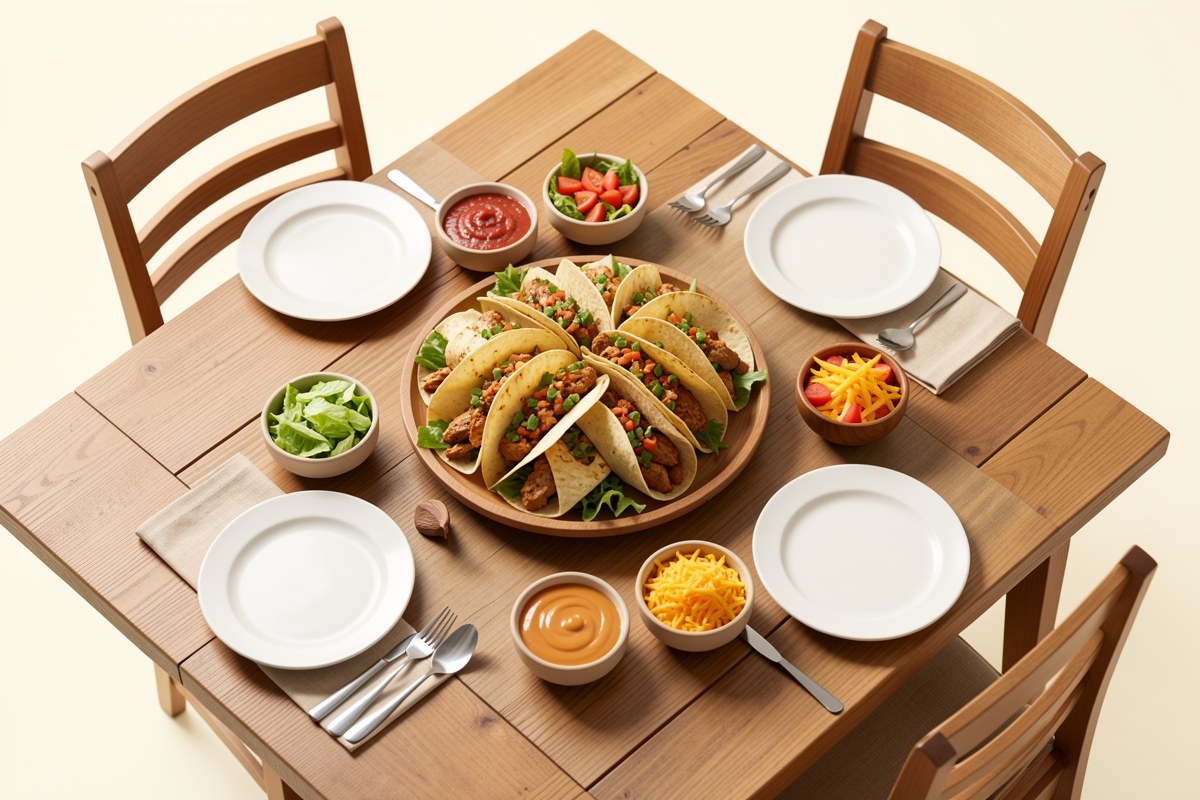
Successful family dinners are about more than just the food. They are a chance to connect, try new flavors, and build healthy habits. The USDA suggests planning meals ahead, using a shopping list, and avoiding separate meals for each person. Instead, set aside plain portions of vegetables, meat, rice, or noodles for children before adding sauces or strong seasonings. This way, everyone eats the same base, but each family member can customize their plate to their liking.
Involving children in simple tasks like washing vegetables, choosing produce, setting the table, or measuring ingredients makes them more excited about the meal. Even picky eaters are often more willing to try a dish they helped prepare.
- Keep a routine: Try to sit down together as often as possible, even if it is only a few nights a week.
- Offer choices: Let kids pick between two healthy options, like broccoli or carrots.
- Be patient: It may take multiple exposures to a new food before a child accepts it.
- Make it fun: Cut vegetables into shapes or serve dips alongside raw veggies.
Ten Family-Friendly Dinner Recipes
These ten dinner ideas come from popular culinary sources and are designed to appeal to both children and adults. They are meant as a starting point—feel free to swap ingredients based on what your family likes and what is in season.
Each recipe uses common ingredients and can be adapted to suit different tastes. For example, you can keep a portion plain for kids and then add spices, salsa, or cheese for adults. These meals are also great for using up leftover vegetables or proteins.
- Chicken tacos with whole-wheat tortillas, lettuce, tomatoes, and mild salsa
- Turkey meatballs with spaghetti and a side of steamed broccoli
- Sheet-pan salmon with roasted potatoes and green beans
- Vegetable stir-fry with tofu or chicken and brown rice
- Whole-wheat pasta with marinara sauce and a green salad
- Turkey chili with beans, corn, and a dollop of plain yogurt
- Baked chicken tenders (whole-grain breaded) with sweet potato fries
- Vegetable soup with barley and a side of whole-grain bread
- Quesadillas with black beans, corn, and shredded cheese
- Build-your-own pizza on whole-wheat pita with veggie toppings
Sources: Jar of Lemons, The Kitchn, Food Network, The Clean Eating Couple
Quick Weeknight Favorites
Busy weeknights call for meals that come together in 30 minutes or less. Many of these dishes rely on pantry staples and pre-cut or frozen vegetables to save time. Pre-cut and pre-washed convenience foods are handy, but they can cost more; if you want to save money, you can buy whole vegetables and do the prep yourself on the weekend.
Quick favorites include breakfast-for-dinner options like vegetable omelets or whole-grain pancakes, as well as simple stir-fries, wraps, and one-pan pastas.
- Whole-grain wrap with hummus, turkey, lettuce, and shredded carrots
- Vegetable and egg fried rice with frozen peas and carrots
- Whole-wheat pasta with canned low-sodium marinara and steamed spinach
- Grilled cheese on whole-grain bread with tomato soup (low-sodium)
- Black bean burrito bowls with rice, salsa, and avocado
- Omelet with leftover vegetables and whole-grain toast
Sources: United States Department of Agriculture, Jar of Lemons
Make-Ahead Family Dinners
Making extra food and freezing portions is a smart time-saver for busy weeks. The USDA recommends preparing double batches and freezing individual or family-sized portions. Choose recipes with fewer ingredients to simplify prep. Casseroles, soups, and stews freeze well and can be reheated on hectic nights.
When you cook, set aside a portion for the freezer before serving. Label containers with the date and dish name. To reheat, thaw in the refrigerator overnight and warm on the stove or in the microwave.
- Double your recipe for soups or chili and freeze half.
- Cook a large batch of ground turkey or chicken and freeze in meal-sized portions.
- Assemble casseroles ahead and freeze unbaked; bake when ready.
- Portion cooked rice or quinoa and freeze for quick grain bowls.
Healthy Swaps for Kids
Small changes can boost the nutritional value of family favorites without sacrificing flavor. Use whole-grain bread, pasta, and tortillas instead of refined versions. Reduce sodium by choosing canned goods labeled “low-sodium” and rinse beans before using. Serve fruit for dessert instead of sweets, and offer water or milk rather than sugary drinks.
These swaps align with USDA recommendations to make half your grains whole, vary your protein, and choose low-fat or fat-free dairy for calcium and vitamin D. For a 2,000-calorie daily diet, the USDA suggests about 6 ounce-equivalents of grains (at least 3 from whole grains), 5½ ounce-equivalents of protein, and 3 cups of dairy. Adjust portions for your child's age and activity level.
- Use whole-wheat pasta in mac and cheese or pasta salad.
- Add pureed vegetables like carrots or zucchini to sauces and meatloaf.
- Choose plain Greek yogurt and add fresh fruit instead of flavored yogurts with added sugar.
- Serve baked sweet potato fries instead of regular fries.
- Make a veggie-packed smoothie with spinach, banana, and milk for a quick breakfast or snack.
How to Handle Picky Eaters
Picky eating is common, but it can be managed with patience and strategy. The USDA advises avoiding making separate meals for each person. Instead, offer a family meal that includes at least one food your child already likes, and let them choose what to eat from what is served. Set aside a plain portion before adding strong flavors.
Involve your kids in meal planning and cooking—they are more likely to eat what they help prepare. Let them pick a vegetable at the store or help stir, measure, and set the table. Repeated exposure is key: even if your child rejects a new food the first time, keep offering it in a low-pressure way. It can take many tries before they accept it.
- Serve new foods alongside familiar favorites.
- Keep portions small to avoid overwhelming your child.
- Be a role model—eat the same foods together as a family.
- Avoid forcing or bribing; keep mealtime positive.
- Offer a “no thank you” bite, but don't make it a battle.
Sources: United States Department of Agriculture, The Kitchn
Balanced Meals for Kids and Adults
A balanced meal includes a variety of foods from all food groups: vegetables, fruits, whole grains, lean protein, and dairy. For a 2,000-calorie diet, the USDA recommends about 6 ounce-equivalents of grains, 5½ ounce-equivalents of protein, and 3 cups of dairy per day. For kids, portions will be smaller and depend on age, but the proportions remain similar.
Easy balanced dinner ideas include chicken and vegetable skewers with quinoa, baked fish with roasted potatoes and a side salad, or stuffed peppers filled with brown rice, turkey, and tomato sauce. Each of these meals provides protein, carbohydrates, and fiber, along with important vitamins and minerals.
- Try to fill half your plate with fruits and vegetables.
- Choose whole grains like brown rice, whole-wheat bread, or oats.
- Vary your protein: include chicken, turkey, fish, beans, lentils, eggs, and tofu.
- Include low-fat or fat-free dairy, such as milk, yogurt, or cheese, at meals or snacks.
Family Meal Planning on a Budget
Eating healthy does not have to be expensive. The USDA suggests planning your family meals, snacks, and beverages for the week and using a shopping list to stay on budget. Before you shop, check what you already have in the pantry and fridge. This helps avoid buying duplicates and reduces waste.
Beans, eggs, frozen vegetables like spinach and green beans, and canned low-sodium items are affordable, nutrient-rich staples. Buying fruits and vegetables in season can also lower costs. Many farmers markets accept SNAP benefits, making them an accessible source for fresh produce.
To save even more, compare store brands to name brands, use coupons or loyalty cards, and minimize convenience foods like pre-cut vegetables or pre-shredded cheese—these save time but often cost more.
- Create a weekly meal plan and a corresponding shopping list.
- Build meals around affordable staples like beans, eggs, and whole grains.
- Buy frozen or canned vegetables when fresh is costly or not in season.
- Cook in bulk and freeze leftovers for future meals.
- Check farmers markets for deals and see if they accept SNAP.
How to Get Kids Cooking
Getting kids in the kitchen builds confidence and curiosity about food. The USDA recommends involving children in simple food-preparation tasks, such as washing fruits, choosing vegetables, setting the table, or measuring ingredients. Tasks should match their age and skill level.
Even younger children can rinse produce or tear lettuce, while older kids can stir, whisk, and help chop soft items with supervision. Cooking together is a chance to talk about nutrition and try new foods. Choose recipes that lend themselves to kids' help, like tacos, wraps, or homemade pizza, where each person can assemble their own portion.
- Let preschoolers wash produce, snap green beans, or stir cold ingredients.
- School-age kids can measure dry ingredients, crack eggs, and set the table.
- Teens can help with cutting vegetables, cooking on the stove, and planning meals.
- Start with simple recipes like fruit salad, whole-wheat toast with avocado, or veggie wraps.
- Praise effort, even if the result is not perfect.
Sources: United States Department of Agriculture, The Kitchn
Useful Tools for Family Cooking
A few reliable kitchen tools can make family meal prep easier and faster. Slow cookers, rice cookers, and pressure cookers allow you to set cooking times and walk away, which is helpful on busy days. Using these appliances does not mean you have to rely on processed mixes—you can still use whole ingredients.
For example, a slow cooker can hold a batch of vegetable soup or chicken chili while you help with homework. A rice cooker frees up a burner for other dishes. Keep basic equipment like a sharp knife, cutting boards, and measuring cups on hand to streamline prep.
- Slow cooker: ideal for soups, stews, and shredded meats.
- Pressure cooker (like an Instant Pot): speeds up beans, grains, and tough cuts of meat.
- Rice cooker: cooks rice or quinoa while you prepare the rest of the meal.
- Sheet pans: make roasting vegetables or sheet-pan chicken dinners simple.
Sources: A fine parent
Frequently asked questions
What are healthy meals my kids will eat?
Start with meals that are flexible and familiar. Offer a protein, a whole grain, and a vegetable your child already likes, and add one new item. For example, turkey tacos with whole-wheat tortillas, beans, and mild toppings, or a pasta dish with marinara and a side of steamed vegetables. Set aside plain portions before adding spices, and let your child help choose which vegetables to include. Repeated exposure helps kids learn to accept new foods.
Sources: United States Department of Agriculture, The KitchnHow do I plan a family meal for the week?
Planning family meals starts with a simple weekly schedule. Sit down with your family and decide which dinners you will make, checking your calendar for busy nights. Write down your plan, then create a shopping list based on the ingredients you need. The USDA recommends this method because it helps you stay organized, avoid impulse buys, and stick to your budget. Choose a few make-ahead meals that use overlapping ingredients, such as cooking extra chicken to use in tacos one night and salads the next.
Sources: United States Department of AgricultureWhat are budget-friendly family meal ideas?
Budget-friendly family meals often center on affordable proteins like beans, eggs, or canned fish, along with whole grains and frozen or canned vegetables. The USDA lists beans, eggs, frozen spinach and green beans, and canned low-sodium options as low-cost healthy foods. Ideas include vegetarian chili with beans, vegetable fried rice with eggs, whole-wheat pasta with marinara and lentils, or chicken and vegetable soups. Shopping in-season, using coupons, and choosing store brands can also lower costs. Many farmers markets accept SNAP benefits for fresh produce.
Sources: United States Department of AgricultureHow do I handle different taste preferences?
Instead of cooking separate meals, prepare a base dish that everyone can customize. For example, set out bowls of taco fillings, salad toppings, or stir-fry sauce so each person can build their own plate. The USDA suggests setting aside plain portions of vegetables, meat, rice, or noodles before adding strong flavors. Involving kids in choosing toppings and helping cook can also increase their willingness to try new things. Be patient and serve new foods alongside family favorites.
Sources: United States Department of AgricultureWhat are good options for busy sports nights?
On busy nights, reach for meals you can make ahead or that cook with little hands-on time. Prepare a batch of chili, soup, or casserole on the weekend and freeze portions. Or use a slow cooker or pressure cooker to have dinner ready when you get home. Quick options include whole-wheat wraps with hummus and turkey, baked chicken tenders with frozen vegetables, or a stir-fry with pre-cut vegetables and instant brown rice. These take about as long as ordering takeout but are more nutritious.
Sources: United States Department of Agriculture, A fine parentCan I freeze family dinners?
Yes, many family dinners freeze well. The USDA recommends preparing extra meals and freezing portions to save time on busy weekdays. Soups, stews, casseroles, and cooked grains like rice or quinoa are good candidates. Let food cool before freezing, use airtight containers, and label with the dish name and date. Thaw overnight in the refrigerator before reheating. Avoid freezing dishes with raw leafy greens or dairy-based sauces, as they can become watery or curdle when reheated.
Sources: United States Department of AgricultureSources
- MAKE EASY AND HEALTHY FAMILY MEALS! - SNAP-Ed Connection — United States Department of Agriculture
- 100+ Healthy Family Dinner Ideas (30 Minutes or Less) — Jar of Lemons
- 30 Easy Recipes to Cook with Your Kids (Even Picky Eaters!) — The Kitchn
- 45 Best Healthy Recipes for Kids and Families — Food Network
- The Healthy Family Meals Cheat Sheet (Because Cooking DAILY Can Make Anyone Want to Weep!) — A fine parent
- The Clean Eating Couple: Quick Easy Healthy Recipes — The Clean Eating Couple