Why Slow Cooker Meals Work for Busy Families
Slow cookers are a lifesaver for busy families. They let you combine ingredients in the morning and return to a hot, home-cooked meal in the evening. The low, steady heat does the work while you focus on your day, making it easier to enjoy nutritious dinners without the last-minute rush.
Many families turn to crockpot meals because they can be assembled quickly, often with simple 'dump and go' recipes. This approach helps you get a healthy dinner on the table even on the busiest weeknights, and it's a practical way to involve kids in meal prep or plan ahead for the week.
- Saves time: Prepare in the morning and come home to a finished meal.
- Budget-friendly: Affordable cuts of meat become tender and flavorful.
- Family-friendly: Customize recipes to suit picky eaters.
- One-pot cleanup: Most slow cookers have removable inserts for easy washing.
Sources: The Magical Slow Cooker, Pinterest (user italiangirl0223)
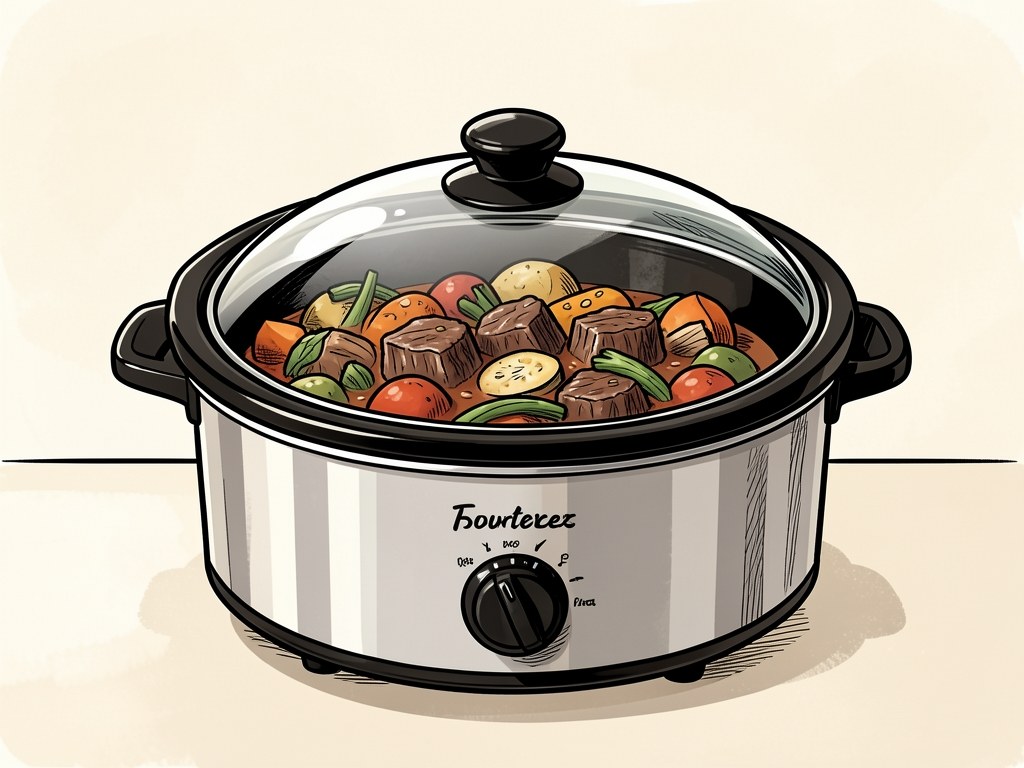
Slow Cooker Basics: Settings, Timing, and Safety
Understanding the settings on your slow cooker is the first step to success. Most models have Low, High, and Warm modes. Low generally takes about twice as long as High, and using it is ideal for tougher cuts of meat and longer cooking times. High is convenient when you need a meal faster, but the results may be slightly different in texture.
Safety is also important. For proper food safety, follow USDA guidelines for safe internal temperatures, cooking from frozen, and thawing meat. Always use a food thermometer to ensure your food reaches a safe temperature before serving.
- Low: typically 8–10 hours for many recipes
- High: typically 4–6 hours for quicker meals
- Warm: keeps food ready to serve, not for cooking
- Follow recommended cooking times and check for doneness with a thermometer
Essential Slow Cooker Tips for Better Results
To get the best flavor and texture from your slow cooker, follow a few simple tips. For example, browning meat and sautéing aromatics before slow cooking can add depth, but it's not mandatory for every recipe. Many 'dump and go' recipes skip this step entirely and still taste great.
One common question is how much liquid to add. Because a slow cooker traps steam, less liquid is needed than in a traditional oven or stovetop recipe. As a general rule, you can reduce liquid by about half when adapting a recipe. Aim for the pot to be half to two-thirds full for best cooking results.
- Cut ingredients into uniform sizes for even cooking.
- Place root vegetables on the bottom, near the heat.
- Keep the lid on; removing it loses heat and extends cooking time.
- For quicker cleanup, use a slow cooker liner.
Family-Favorite Slow Cooker Dinner Recipes
Discover beloved dinner ideas that are simple enough for weeknights. Popular choices include Mississippi Pot Roast, Marry Me Pot Roast, and Slow Cooker Pork and Beans. These dishes are known for their rich flavors and minimal hands-on time.
You can also make Crockpot Taco Meat with ground beef for a versatile filling for tacos, burrito bowls, or salads. Another favorite is Slow Cooker Sausage and Peppers, combining Italian sausage, sweet peppers, and onions for a satisfying meal. These recipes are simple enough for beginners and always a hit.
- Mississippi Pot Roast: a tender, savory roast with pepperoncini
- Slow Cooker Pork and Beans: a hearty and comforting classic
- Crockpot Taco Meat: easy ground beef for taco night
- Slow Cooker Sausage and Peppers: serve with crusty bread or over rice
Sources: The Magical Slow Cooker, Pinterest (user Pam Rosato)
Healthy Slow Cooker Recipe Ideas
A slow cooker is a great tool for preparing wholesome meals. Many recipes naturally lean toward fewer calories when they focus on lean proteins and plenty of vegetables. While exact calorie counts depend on specific ingredients and portions, you can easily keep meals light by choosing chicken breast, fish, or plant-based proteins and loading up on veggies.
Look for recipes that use modest amounts of oil and avoid heavy creams or cheese. Slow cooker soups, chili, and curry are excellent options that can be packed with nutrients and flavor without excess calories.
- Chicken breast or turkey: lean proteins that cook well
- Plenty of non-starchy vegetables: add volume and nutrients
- Use broth instead of oil for sautéing
- Greek yogurt or light coconut milk as creamy options
Vegetarian and Vegan Slow Cooker Options
Slow cookers are not just for meat. Many vegetarian and vegan dishes thrive with low and slow cooking, such as lentil soup, chickpea curry, or vegetable stew. These meals are budget-friendly and full of fiber and protein.
Some collections highlight vegetarian options, and you can easily adapt many meat-based recipes by swapping in beans, lentils, tofu, or extra vegetables. Just be mindful of cooking times, as plant-based proteins often need less time than meat.
- Lentil and vegetable stew
- Black bean and corn chili
- Butternut squash curry with coconut milk
- Vegetarian minestrone soup
Sources: Pinterest (ideas collection)
Crockpot Breakfast Recipes
Your slow cooker isn't just for dinner—you can also prepare breakfast. Popular slow cooker breakfast ideas include oatmeal, egg casseroles, and breakfast burritos. These can be assembled the night before and cooked on Low while you sleep, so breakfast is ready when you wake up.
For a wholesome start, try a slow cooker oatmeal with fruit and nuts, or a savory egg casserole with vegetables and cheese. Some sites even feature breakfast recipes like pumpkin butter, which can be spread on toast or muffins.
- Slow cooker steel-cut oatmeal: set it before bed
- Egg casserole with sausage, peppers, and cheese
- Breakfast burrito filling, kept warm on Warm setting
- Apple cinnamon oats
Sources: The Magical Slow Cooker
Batch Cooking and Freezer Meals
Batch cooking with a slow cooker is an efficient way to prepare multiple meals at once. You can double a recipe and freeze leftovers for busy days. Freezer-to-crockpot meals are also popular: assemble all ingredients in a freezer bag, label it, and freeze. When you're ready, thaw in the refrigerator, then dump the ingredients into the slow cooker and cook on Low.
This method saves time and reduces food waste. Many recipe collections offer ideas for slow cooker freezer meals that are both easy and healthy. Always thaw meat and poultry in the refrigerator before cooking to ensure even cooking and food safety.
- Choose recipes that freeze well, like soups, stews, and pasta dishes.
- Use freezer-safe bags or containers and label with date and meal name.
- Thaw overnight in the refrigerator before cooking.
- Cook large batches on the weekend for grab-and-go dinners.
Sources: Pinterest (ideas collection)
Avoiding Overcooking and Bland Results
Overcooking is a common issue with slow cookers, resulting in dry meat or mushy vegetables. To avoid it, follow the recipe's time and temperature guidelines. When in doubt, choose the Low setting—it's more forgiving. Also, add delicate ingredients like peas or fresh herbs in the last 30 minutes of cooking.
To prevent bland results, season generously and consider browning meat for extra flavor. Adding aromatics like garlic, onion, and spices early in the process helps layer flavors. At the end, taste and adjust seasonings; a splash of acid like lemon juice or vinegar can brighten the whole dish.
- Use a meat thermometer to know when meat is done.
- If a recipe says 1 hour on High and you're home all day, switch to Low for 4–6 hours.
- Brown ground meat before adding to the slow cooker to reduce greasiness and boost flavor.
- Don't peek: each lid lift can add 20 minutes of cooking time.
Dairy and Thickening at the End
Dairy products like milk, cream, and cheese can curdle if cooked for too long in a slow cooker. To avoid this, add them during the last 30 minutes of cooking, after turning the heat to Low or off, allowing them to warm gently without separating.
If your dish turns out watery because of condensation, you can thicken sauces by mixing a tablespoon of cornstarch with two tablespoons of cold water, then stirring it into the hot liquid. Simmer for a few minutes until it thickens. Alternatively, you can remove the lid and cook on High for the last 30 minutes to reduce the liquid.
- Add cream, yogurt, and sour cream at the end.
- Shred cheese and stir it in just before serving.
- For a thicker broth, use cornstarch slurry or flour mixed with butter.
- Mash some of the vegetables to naturally thicken soups and stews.
Frequently asked questions
Can I put frozen chicken in the crockpot?
Cooking frozen chicken in a slow cooker is not recommended, as it can lead to uneven cooking and potential food safety issues. Thaw poultry in the refrigerator before cooking for best results and even doneness.
How much liquid should I add to a slow cooker?
Slow cookers trap steam, so you generally need less liquid than in conventional cooking. A good rule of thumb is to reduce the liquid by about half when adapting a recipe, and aim for the pot to be half to two-thirds full.
What's the difference between low and high on a slow cooker?
Both Low and High eventually reach the same temperature, but Low takes longer to get there. Low is ideal for all-day cooking and tougher cuts, while High is used for faster meals. The general rule is that High cooks about twice as fast as Low.
Can I convert a regular recipe to slow cooker?
Yes, many oven or stovetop recipes can be adapted. Reduce liquid by about half, and adjust time: a slow cooker on Low typically needs 6–8 hours to replace 1–2 hours of conventional cooking. High is similar in final results but takes about half the time of Low.
Can I put frozen meat in a slow cooker?
It is best to thaw meat in the refrigerator before placing it in the slow cooker. Cooking from frozen can cause uneven cooking and may keep meat in the danger zone for too long. If you need to cook from frozen, use other methods like the oven or stovetop.
Why are my slow cooker meals always watery?
Watery results often come from too much liquid initially or from condensation dripping off the lid. To prevent this, use less liquid and avoid lifting the lid during cooking. If it is still watery, thicken at the end by simmering on High with the lid off or using a cornstarch slurry.
What is the best way to thicken slow cooker sauces?
A reliable method is to mix 1 tablespoon of cornstarch with 2 tablespoons of cold water, stir it into the hot liquid, and simmer until thickened. You can also remove the lid and cook on High to reduce the liquid, or mash some ingredients to thicken naturally.
Can I leave a slow cooker on low overnight?
Many slow cookers are designed to be left unattended, and cooking on Low overnight is generally safe if the appliance is in good condition. Follow the manufacturer's instructions, keep enough liquid to prevent burning, and place the cooker on a heatproof surface away from flammable materials.
Sources
- Easy Slow Cooker Recipes and Crockpot Meals for Busy Families- The Magical Slow Cooker — The Magical Slow Cooker
- 59 Crockpot recipes slow cooker ideas | crockpot recipes slow cooker, crockpot recipes, recipes — Pinterest (user Pam Rosato)
- 900+ Slow cooker recipes for cooking ideas in 2026 | slow cooker recipes, recipes, crockpot recipes slow cooker — Pinterest (user italiangirl0223)
- Slow Cooker Recipes Freezer Meals — Pinterest (ideas collection)
- Slow Cooker Make Ahead Meals — Pinterest (ideas collection)