What Are One-Pot Meals?
A one-pot meal is a complete dish cooked from start to finish in a single vessel, such as a Dutch oven, deep skillet, or large saucepan. This approach simplifies cooking by allowing you to layer ingredients in one pot, which not only saves time but also reduces the number of dishes you need to wash.
One-pot meals are popular because they make cleanup easy—only one pot, pan, or skillet is used. They can also be a healthy choice when you build them with whole ingredients like fresh vegetables and lean proteins rather than processed convenience mixes. Sources:
- Minimal cleanup: only one pot to wash.
- Time-saving: less preparation and fewer steps.
- Nutritious: control over wholesome ingredients.
Sources: The Kittchen, Allrecipes
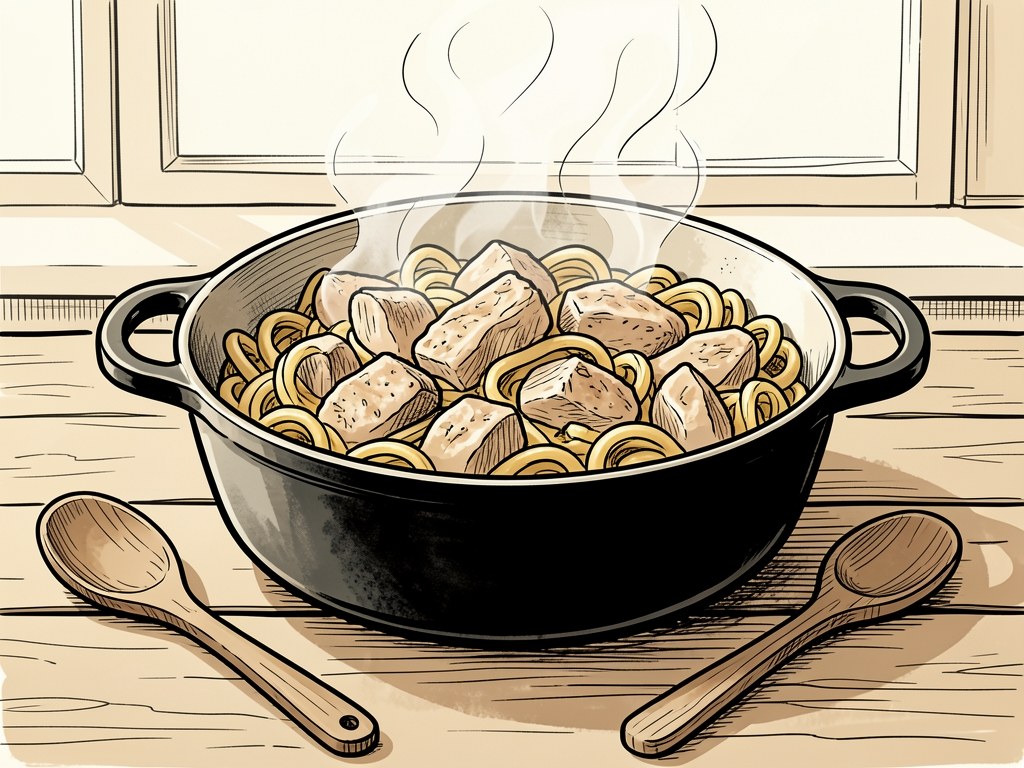
Essential Equipment for One-Pot Cooking
Choosing the right pot is key to successful one-pot meals. Each type of vessel has its strengths, so understanding them helps you pick the best one for your recipe.
A large, wide, heavy-bottomed pot or deep skillet is often recommended for one-pot dishes because it helps food cook evenly and reduces sticking.
- Dutch oven: Perfect for stews, braises, and slow-cooked dishes because it distributes heat evenly and retains it well.
- Deep skillet: Great for pasta and rice dishes, offering a wide surface for browning and plenty of depth for liquid.
- Saucepan: Good for smaller portions or soups, though a wider pot is often better for browning.
- Pressure cooker (like Instant Pot): Speeds up cooking times for beans, grains, and tougher cuts of meat.
Sources: Fizzle Fork, Allrecipes, Tastic Recipe
One-Pot Dinner Recipes
Here are two complete one-pot dinner recipes that serve four. They are designed to be cooked in a single pot, from browning to simmering, and each includes a full ingredient list and step-by-step instructions.
These recipes follow the common one-pot technique of browning meat first, sautéing aromatics, and then adding liquids and pasta or rice.
- One-Pot Chicken Pasta: Ingredients: 1 lb boneless, skinless chicken thighs, 2 tbsp olive oil, 3 cloves garlic, minced, 1 shallot, diced, 8 oz pasta (e.g., fettuccine or penne), 4 cups low-sodium chicken broth, 1 cup cherry tomatoes, halved, 1 cup spinach, 1/2 cup grated Parmesan, salt and pepper to taste. Serves 4. Steps: (1) Heat olive oil in a large deep skillet over medium-high heat. Season chicken with salt and pepper and brown on both sides, about 4-5 minutes per side. Remove and set aside. (2) Add garlic and shallot to the same skillet and sauté for 1-2 minutes until fragrant. (3) Pour in chicken broth and scrape up any browned bits. Add the pasta and tomatoes. Bring to a simmer. (4) Return chicken to the skillet, cover, and simmer for 12-15 minutes, stirring occasionally, until pasta is tender and liquid is mostly absorbed. (5) Stir in spinach until wilted. Remove chicken, slice, and serve over pasta with Parmesan.
Sources: The Kittchen, Fizzle Fork, Tastic Recipe, Food Wishes (YouTube)
One-Pot Breakfast and Brunch Ideas
One-pot cooking isn't just for dinner; it's also perfect for breakfast and brunch. These ideas are easy to prepare and clean up quickly, making them great for weekend mornings or even busy weekday breakfasts. They are meant as templates you can adapt to your preferences, rather than exact recipes.
- Skillet Hash: Brown diced potatoes in a cast-iron skillet, then add bell peppers, onions, and cooked sausage or leftover chicken. Crack eggs on top of the hash, cover, and cook until the eggs are set to your liking.
- Breakfast Fried Rice: Use leftover cooked rice, scramble some eggs in a wok or deep skillet, add frozen peas and carrots, and stir-fry with soy sauce and green onions.
- Overnight Oats (no-cook): Combine rolled oats, milk, chia seeds, and your favorite toppings in a pot or jar. Refrigerate overnight and enjoy cold. For a warm version, simmer the mixture in a pot for 5-10 minutes.
Tips for Perfectly Cooked One-Pot Meals
Mastering one-pot meals comes down to technique and timing. Follow these tips to avoid common pitfalls like uneven cooking or pasta sticking to the bottom.
- Sear meat first: If your recipe includes meat, brown it in the pot before adding other ingredients. This adds flavor and ensures even cooking.
- Sauté aromatics: Onions, garlic, and spices release their flavors when cooked in a little oil before adding liquid.
- Stagger vegetables: Add hearty vegetables like carrots and potatoes earlier, and tender vegetables like spinach or peas later, so everything finishes at the same time.
- Use enough liquid: For pasta dishes, ensure there is enough broth or water to cover the pasta, and stir frequently to prevent sticking.
- Adjust liquid: If the sauce reduces too quickly before the pasta is tender, add a little extra hot liquid, such as broth or water.
Sources: The Kittchen, Fizzle Fork, Allrecipes, Tastic Recipe
Adapting Regular Recipes to One Pot
You can turn many of your favorite recipes into one-pot meals by making a few adjustments. The key is to control liquid and order of cooking.
When adapting a recipe, choose a pot that can handle all the ingredients and follow a logical sequence: brown meat, sauté aromatics, add hearty vegetables, then add grains and liquid. You may need to increase the liquid slightly to compensate for evaporation and absorption.
- Choose the right vessel: Use a pot large enough to hold all ingredients without crowding. A Dutch oven can replace a stockpot for stews, a deep skillet can replace a saucepan for pasta.
- Layer properly: Start with ingredients that take longest to cook, then add quicker-cooking items.
- Adjust liquid: If your original recipe calls for cooking components separately, you may need more liquid when everything cooks together. Begin with a little extra and check as it cooks.
- Monitor cooking time: One-pot cooking may require slightly longer time because ingredients are in one vessel. Test for doneness and adjust heat as needed.
Sources: Allrecipes
Frequently asked questions
What kind of pot is best for one-pot meals?
The best pot depends on what you're cooking. A Dutch oven is excellent for stews and braises because it distributes heat evenly and retains it well. A large, deep skillet is ideal for pasta and rice dishes, providing a wide surface for browning and plenty of depth for liquid. A heavy-bottomed pot helps prevent sticking and ensures even cooking.
Sources: Fizzle Fork, Tastic RecipeHow do I make sure meat and vegetables cook evenly in one pot?
To ensure even cooking, brown the meat first in the pot, then sauté aromatics like onions and garlic. Add vegetables in order of their cooking times: hearty ones like carrots and potatoes early, and tender ones like spinach or peas near the end. If the meat is in large pieces, you can remove it after browning and return it later to avoid overcooking.
Sources: AllrecipesSources
- One Pot Pasta Recipe with Chicken | Easy One Pot Dinner Recipe — The Kittchen
- Creamy One-Pot Chicken Alfredo Pasta Recipe Easy Perfect Dinner Idea — Fizzle Fork
- 18 Easy One-Pot Meals Ready in Less Than an Hour — Allrecipes
- One Pot Pasta — Tastic Recipe
- 5 One-Pot Dinner Recipes | Food Wishes — Food Wishes (YouTube)