What Is Meal Prepping?
Meal prepping is the practice of preparing meals or ingredients in advance so that weeknight dinners, lunches, and snacks come together in minutes. Instead of cooking from scratch every day, you spend a dedicated block of time—often a weekend morning or afternoon—planning, prepping, and cooking components or full meals for the week ahead.
The payoff can be significant. Meal prep helps you save time during busy weekdays, reduces food waste by using ingredients before they spoil, and supports healthier eating by keeping nutritious meals ready when hunger strikes.
For beginners, the idea might feel intimidating, but it doesn't have to be. With a few simple tools and a repeatable system, you can build a meal prep routine that fits your lifestyle and your kitchen. The steps below will guide you through the entire process.
Sources: The Girl on Bloor, Logs Day, Nourish Move Love
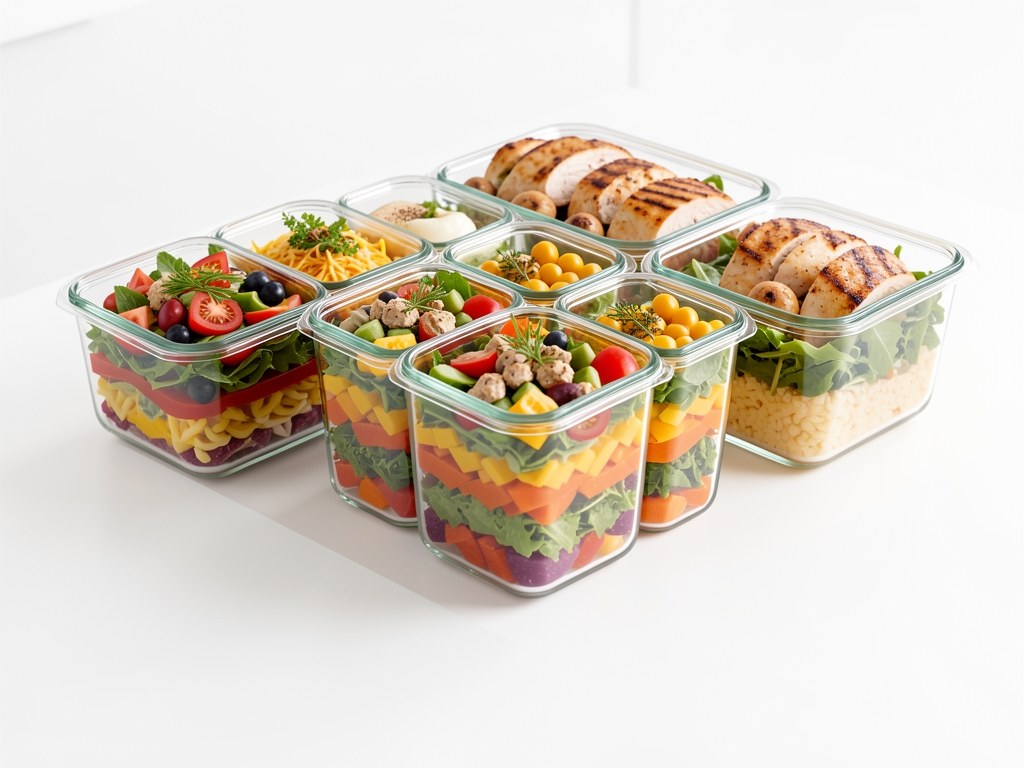
Meal Prep Methods: Batch Cooking vs. Ingredient Prep
Understanding the two main approaches to meal prep is key. Complete meal prep—often called batch cooking—involves cooking entire dishes in large quantities and portioning them into individual containers. This is perfect when you want grab-and-go convenience—just open the fridge, take out a container, and reheat.
Component prep, also called ingredient prep, takes a different route. You cook proteins, grains, and vegetables separately, then assemble fresh meals throughout the week. This method shines if you have family members with different preferences or you prefer maximum variety, because you can mix and match components each day without eating the same exact meal twice.
A useful formula to remember: Protein + Starch + Vegetable + Sauce + Storage Container. Using this foundation, you can build countless combinations that keep your meals balanced and satisfying.
- Complete meal prep (batch cooking): Cook full dishes in large batches, portion them, and store in containers.
- Ingredient prep: Cook components (proteins, grains, vegetables) in bulk and combine later.
- Both methods save time; choose based on your preference for convenience or variety.
| Method | Description | Ideal for |
|---|---|---|
| Complete meal prep (batch cooking) | Cooking entire dishes in large batches and portioning them into containers | Busy professionals wanting grab-and-go convenience |
| Component prep | Cooking proteins, grains, and vegetables separately, then assembling fresh meals throughout the week | Families with different preferences or those seeking maximum variety |
Sources: MealPrepIdeas.co
Choosing the Right Containers
The containers you use can make or break your meal prep experience. The right storageware keeps food fresh, prevents leaks, and makes reheating simple. While the evidence doesn't point to specific brands, a few general guidelines are worth keeping in mind.
Look for containers that are airtight to lock in moisture and flavor. Glass containers are durable and safe for reheating, while good-quality plastic is lightweight. Make sure your containers are microwave-safe if you plan to reheat directly in them, and choose sizes that fit your portion goals—separate compartments can help keep sauces and crisp items separate.
Investing in a set of uniform containers makes stacking and organizing in your fridge easier. Clear containers let you see what's inside at a glance, which helps prevent forgotten meals and reduce waste.
Sources: MealPrepIdeas.co
Food Safety Storage Guidelines
Safe storage is non-negotiable. The U.S. Department of Agriculture (USDA) recommends keeping your refrigerator at 40°F (4°C) or below to slow bacterial growth. Most cooked meal prep food will last 3 to 4 days in the fridge when stored in airtight containers at that temperature.
Following this guideline helps you avoid foodborne illness and ensures your meals taste their best. Always cool cooked food quickly before refrigerating, and reheat leftovers to an internal temperature of 165°F (74°C) for safety. When reheating, make sure the food is steaming hot all the way through.
For longer storage, you can freeze many prepped meals, but this guide focuses on refrigerator rotation. It's a good idea to label your containers with the prep date so you know when to use them by.
- Keep fridge at 40°F or below.
- Store cooked meals in airtight containers.
- Use most prepped food within 3-4 days.
- Reheat to 165°F before eating.
Sources: The Girl on Bloor
A Simple 5-Step Meal Prep System
To get started, set aside 2 to 3 hours for a weekly session. This time allows you to cook, portion, and clean up. A typical family meal prep session takes about this long, but your first few attempts may take longer as you learn your rhythm.
Here's a simple five-step system you can follow:
- Plan your menu: Choose five dinners and lunches that share similar components, like grilled chicken, roasted vegetables, and whole grains.
- Make a grocery list: Check what you have, then buy only what you need. This helps cut down on waste and control costs.
- Shop and prep ingredients: On prep day, start by washing, chopping, and portioning raw ingredients.
- Cook in batches: Use your oven, stovetop, and slow cooker to prepare multiple components at once.
- Portion and store: Divide meals into containers, let them cool, and refrigerate promptly.
Sources: The Girl on Bloor
Meal Prep for Different Diets
Meal prep is flexible enough to fit almost any eating style. For vegetarian or vegan plans, focus on plant proteins like beans, lentils, tofu, or tempeh. Low-carb eaters can load up on roasted vegetables and add healthy fats from avocado or nuts. Gluten-free meal prep simply involves choosing gluten-free grains and checking condiments.
The key is to apply the same protein + starch + vegetable formula with choices that align with your dietary needs. If you're cooking for a family, you can mix and match components so everyone builds their own plate from prepped ingredients. This approach keeps everyone satisfied without preparing separate meals.
Sources: MealPrepIdeas.co
Frequently asked questions
How long does meal prep food last in the fridge?
Most cooked meal prep food stays fresh for 3 to 4 days when stored in airtight containers in the refrigerator at or below 40°F. Always reheat leftovers thoroughly to 165°F before eating.
Sources: The Girl on BloorWhat are good containers?
Good containers are airtight, microwave-safe, and sized to fit your portions. Glass or sturdy plastic containers with tight lids are reliable choices. Look for sets that stack well and make reheating easy.
Sources: MealPrepIdeas.coCan I meal prep on a tight budget?
Yes, meal prep can help you save money by reducing food waste and making intentional grocery purchases. To keep costs down, plan meals around sales, buy staples in bulk, and use ingredients you already have. Basic airtight containers are sufficient—you don't need expensive equipment to start.
Sources: Logs Day, The Girl on Bloor, Nourish Move LoveSources
- Meal Prep for Beginners: Step-by-Step Guide with 20 Easy Recipes & Weekly Plans | Logs Day — Logs Day
- 5-Day Beginner Meal Prep Plan | MealPrepIdeas.co — MealPrepIdeas.co
- 7 Easy Ways to Meal Prep for Beginners - The Girl on Bloor — The Girl on Bloor
- How to Meal Prep: Meal Plan + Grocery List | Nourish Move Love — Nourish Move Love