Why Make-Ahead Meals Work: Benefits and Time Savings
A well-stocked freezer can be a home cook’s best friend. By setting aside a few hours to prepare meals in advance, you can enjoy home-cooked dinners on busy days without the last-minute scramble. Make-ahead meals and freezer cooking are time-tested strategies for saving both time and money while ensuring you always have a satisfying option ready to go.
The key benefit is convenience: when you have a stash of ready-to-heat meals, you reduce the temptation to order takeout or settle for less nutritious options. Additionally, cooking in bulk can reduce food waste and make grocery shopping more efficient. With a little planning, freezer meals become a reliable part of your weekly rhythm, giving you more time for the things that matter most.
- Save time on busy weeknights by reheating a pre-made meal instead of cooking from scratch.
- Save money by buying ingredients in bulk and using them before they spoil.
- Reduce food waste by freezing portions before they go bad.
- Enjoy home-cooked meals even when your schedule is tight.
- Simplify meal planning and grocery shopping with a clear freezer inventory.
Sources: Penn State Extension
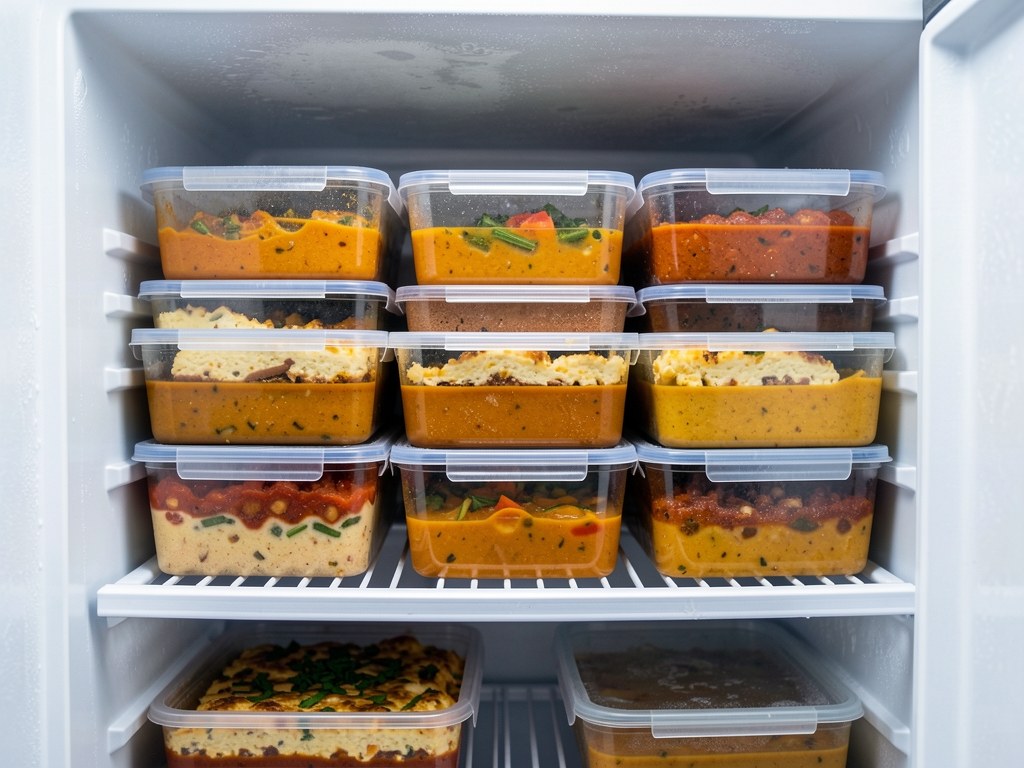
How to Start: Choose Recipes and Plan a Cooking Session
Start by selecting recipes that freeze well. Soups, stews, casseroles, and many main dishes are excellent candidates. Consider dishes that you and your family already enjoy, as they are more likely to be eaten. For a successful cooking session, choose recipes with overlapping ingredients to simplify shopping and preparation. For example, you might make a large batch of ground beef with taco seasoning, some marinara sauce, and a pot of chili—all from similar base ingredients.
Plan a dedicated cooking session, often called batch cooking or freezer meal prep. Set aside two to three hours on a weekend or an evening. Gather all necessary containers, labels, and ingredients before you begin. Cook multiple recipes simultaneously by using the oven for one dish while sautéing on the stovetop for another. As you finish each dish, let it cool slightly before packing and freezing. This approach maximizes your time and leaves you with a variety of meals to rotate throughout the week.
- Choose recipes that freeze well, such as casseroles, soups, and stews.
- Select a few family favorites to ensure they’ll be eaten.
- Plan a cooking session with 2-3 recipes that share ingredients.
- Gather all containers, labels, and tools beforehand.
- Use a mix of oven and stovetop cooking to multitask.
- Label each container with the dish name and date before freezing.
Sources: Penn State Extension
What to Freeze and What Not to Freeze
While almost any food can be frozen safely at 0°F, not everything maintains good quality. Certain foods turn watery, grainy, or mushy when thawed. For the best results, focus on dishes that are known to freeze well: soups, stews, chili, casseroles, meatloaf, cooked grains, and many vegetable-based dishes. You can also freeze raw meatballs and some doughs to cook later.
On the other hand, some ingredients simply don’t hold up well in the freezer. Mayonnaise-based salads often separate, cream sauces can curdle, and lettuce becomes limp and translucent. Eggs in their shells can expand and crack, and fried foods lose their crispness. To avoid disappointment, choose recipes that avoid these problem ingredients or add them fresh after reheating.
When in doubt, consider quality: the faster you freeze food and the colder it stays, the better the texture will be. Use airtight packaging designed for freezing to help minimize ice crystals and freezer burn.
- Freeze well: soups, stews, chili, casseroles, meatloaf, cooked grains, and many vegetable dishes.
- Freeze well: raw meatballs, cookie dough, and bread dough (if you’re into baking).
- Avoid freezing: mayonnaise-based salads, cream sauces, and lettuce.
- Avoid freezing eggs in their shells; they can crack and spoil.
- Avoid freezing fried foods; they become soggy when reheated.
Sources: Penn State Extension
Step-by-Step: Cooking and Cooling for the Freezer
Proper cooking and cooling techniques are crucial for both safety and quality. When you prepare meals to freeze, handle food safely to prevent bacterial growth before freezing. After cooking, cool dishes quickly before placing them in the freezer. Never leave food at room temperature for more than two hours (or one hour if the room is warmer than 90°F). To speed cooling, divide large batches into smaller, shallow containers or place the pot in an ice water bath.
Once cooled, pack the food into freezer-safe containers, leaving a little headspace to allow for expansion. Wipe the rims of containers before sealing to ensure a good seal. Remove as much air as possible to prevent freezer burn. If using resealable freezer bags, press out the air before sealing. For casseroles, you can assemble the dish in a foil or freezer-safe pan, cover tightly, and freeze unbaked or baked. Many casseroles can be cooked directly from frozen, but you’ll need to add extra time to the baking schedule.
Label each container with the name of the dish and the date you prepared it. This simple step avoids mystery meals later and helps you use older items first. For best quality, follow the storage times in the freezer chart below.
- Cook your selected recipes, ensuring they are fully cooked unless the recipe specifically calls for freezing raw.
- Cool dishes promptly: divide into shallow containers or use an ice bath. Never leave food out longer than two hours.
- Pack into freezer-safe containers or heavy-duty freezer bags, leaving headspace and removing excess air.
- Seal containers tightly and wipe rims of any spills before securing lids.
- Label each package with the dish name and the date.
- Freeze promptly: place packages in the coldest part of the freezer, not overcrowding the shelves.
- Once frozen solid, you can organize packages to maximize space and keep an inventory list handy.
Sources: Penn State Extension
Freezer Storage Life Chart for Common Dishes
The table below shows how long common types of cooked dishes maintain their best quality when stored at a consistent 0°F or below. These are general recommendations from food safety experts; some sources suggest that food remains safe indefinitely at 0°F, but quality will decline over time.
| Dish Type | Freezer Storage Time (at 0°F) |
|---|---|
| Soups and stews | 2-3 months |
| Casseroles | 2-3 months |
| Cooked meat dishes (e.g., meatloaf, meatballs) | 2-3 months |
| Cooked grains (rice, quinoa) | 2-3 months |
| Raw meatballs | 1-2 months |
Sources: Penn State Extension
How to Thaw and Reheat Safely Without Ruining Texture
The best way to thaw frozen meals is in the refrigerator overnight. This slow, steady thawing helps maintain quality and keeps food at a safe temperature. For casseroles, thaw in the refrigerator before reheating, or you can reheat directly from frozen—just increase the cook time and ensure it reaches a safe internal temperature.
When reheating any casserole, stew, or other cooked dish, use a food thermometer to check that the center reaches 165°F (74°C). This kills any potential bacteria and ensures the dish is safe to eat. Stir or rotate food partway through reheating to promote even warming.
To preserve texture, avoid overcooking. Reheat soups and stews gently on the stovetop or in the microwave, stirring occasionally. For casseroles, covering with foil until the end helps retain moisture. If a dish looks dry, add a splash of broth or water before reheating.
After thawing in the refrigerator, you can safely refreeze the meal if you change your mind, but be aware that each freeze-thaw cycle can degrade quality. For the best experience, plan to eat thawed meals within a day or two.
Sources: Penn State Extension
Frequently asked questions
How long can I keep different cooked meals in the freezer?
For best quality, most cooked meals like soups, stews, and casseroles are best within 2-3 months when stored at a constant 0°F. Some sources suggest that food remains safe indefinitely at 0°F, but the texture, flavor, and nutritional value can degrade over time. For the most enjoyable meals, plan to use your freezer foods within that 3-month window.
Sources: Penn State ExtensionCan I freeze meals in glass containers?
Yes, you can freeze meals in glass containers, but choose containers specifically labeled as freezer-safe. Leave at least an inch of headspace to allow for food expansion. Thaw glass containers in the refrigerator rather than plunging them into hot water to avoid thermal shock, which can crack the glass.
Sources: Penn State ExtensionWhat are some dairy-free meals that freeze well?
Many stews, chili, soups, tomato-based pasta sauces, and curries made with coconut milk freeze well without dairy. Casseroles that use dairy-free cheese alternatives can also work, but you may need to test texture. When you reheat, you can add a dairy-free milk or cream substitute to restore creaminess if needed.
Sources: Penn State ExtensionHow do I avoid freezer burn?
Freezer burn happens when air reaches the food’s surface, causing dehydration and oxidation. To prevent it, use airtight, freezer-grade containers or heavy-duty freezer bags, and press out as much air as possible before sealing. For casseroles, cover the surface directly with plastic wrap before putting the lid on, or use a vacuum sealer if you have one.
Sources: Freezer Meals 101Is it safe to freeze meals that have already been frozen as leftovers?
Yes, it is safe to refreeze meals that have been thawed in the refrigerator, provided they have not been left at room temperature for more than two hours and have been handled properly. The quality may decline with each freeze-thaw cycle, so it’s best to refreeze only if you know you’ll use the food soon. Avoid refreezing food that has already been cooked and reheated more than once.
Sources: Penn State ExtensionSources
- Freezer Meal Recipes — Freezer Meals 101
- Make-Ahead Freezer Meals to the Rescue — Penn State Extension